

A customer journey map lays out the steps a person takes with a product over time. Its job is to show where to build a prototype, because people react to something they can hold far more usefully than to a diagram.
What is a customer journey map?
It is a timeline of one person's experience, from first hearing about a product to using it for the tenth time. Each step records what they are trying to do and where it goes wrong.
The map is a means. Teams sometimes polish one for weeks and then stop, which leaves a handsome poster and the same product.
When should you move to a prototype?
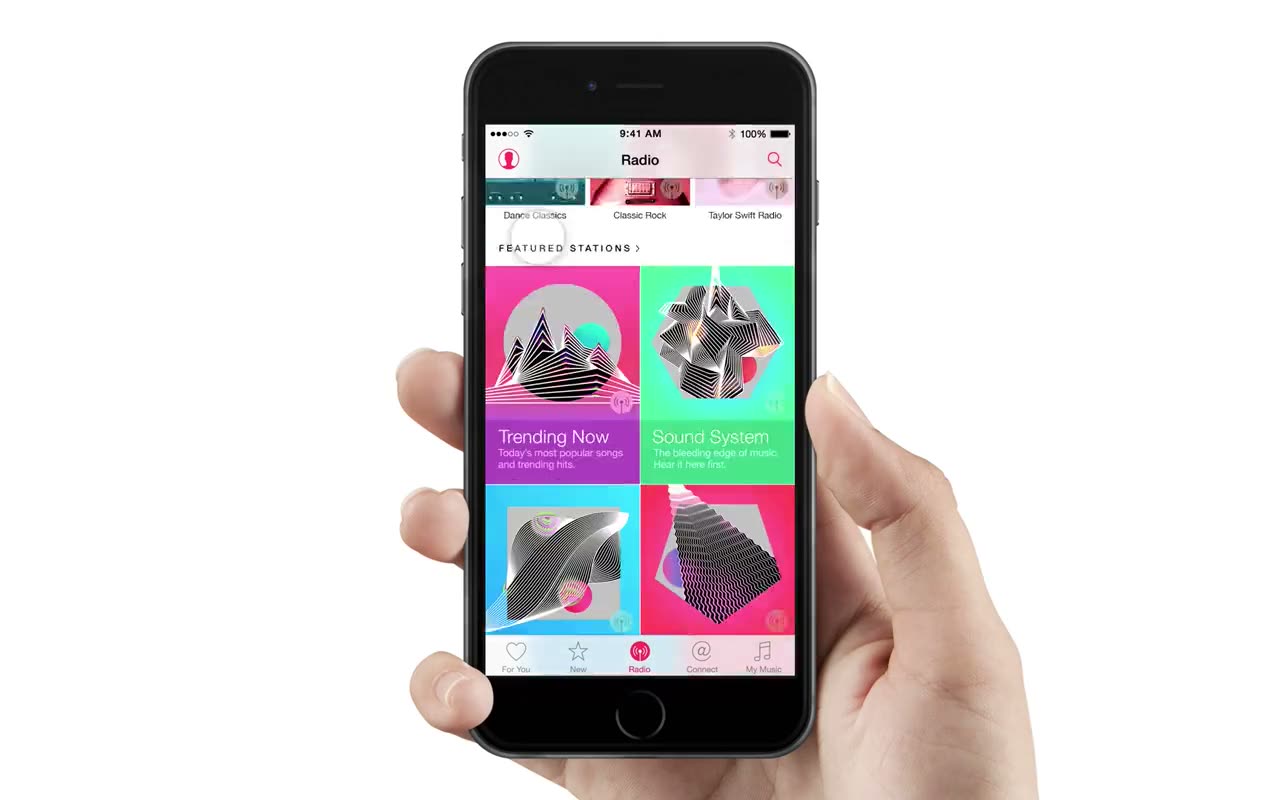
As soon as the map shows a step worth fixing. Before Apple Music shipped, nobody could react to it. So the art direction went onto a working phone prototype, and the genre photography was reviewed on the device rather than on a board.
The result was faster decisions and fewer review rounds.
What can a prototype tell you that a map can't?
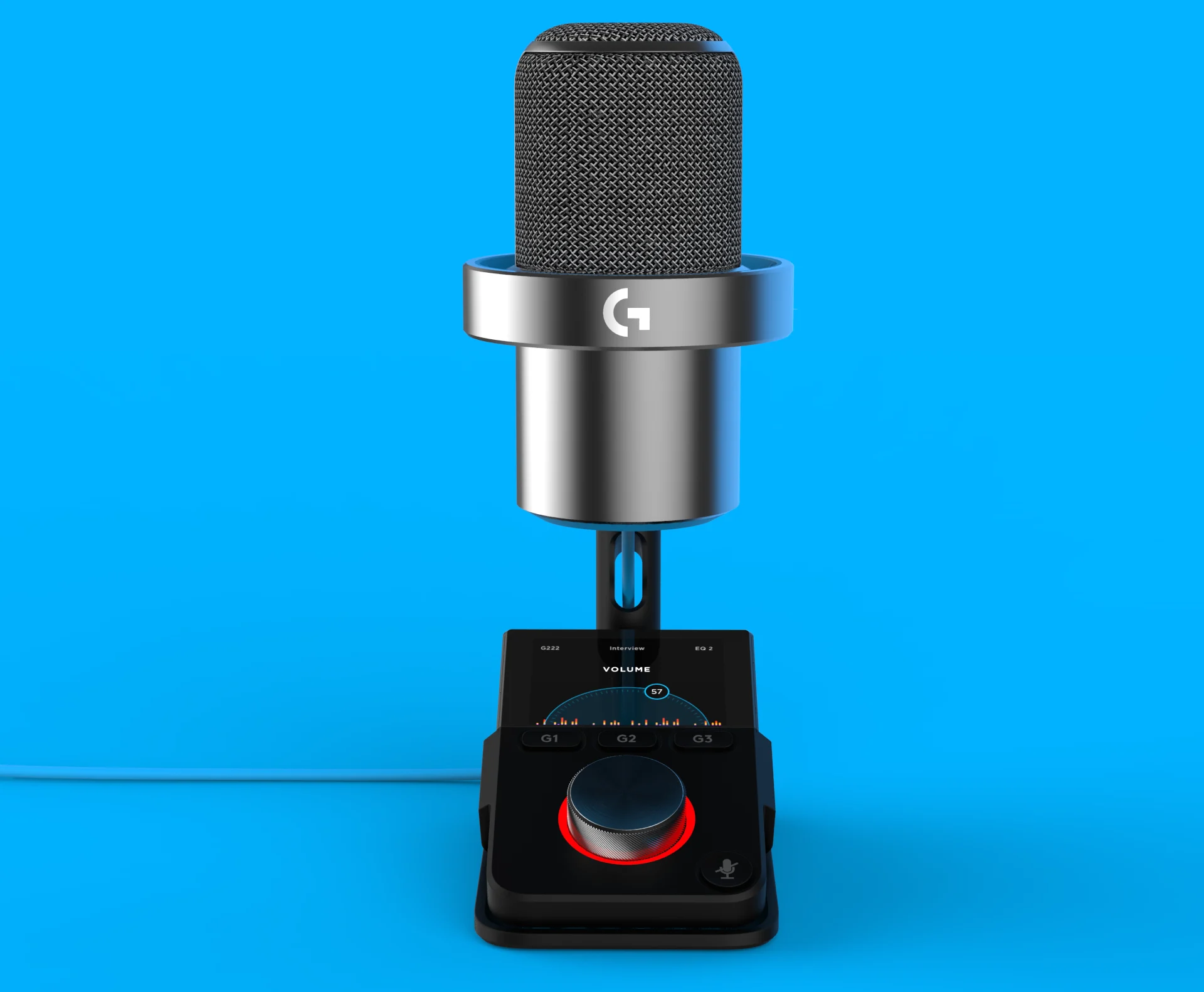
Whether the idea survives contact with a person. For Logitech I worked on Banshee, a microphone with a small screen and a rotary wheel for changing audio settings mid-game.
On-device testing found that gamers did not want to look away from the game to make an adjustment. That finding ruled the interaction out, and the project wound down. A prototype is the cheap place to learn that.
How small can the first prototype be?
One flow. At Outdoorsy the listing flow was completing a third of the time, so the listing prototype came first. It built in the guidance hosts had been getting from coach calls.
Short answers
What should a customer journey map include?
The person, the steps in order, what they want at each step, and the points where they get stuck. Add evidence for each stuck point, such as a quote or a support ticket.
Do you need a journey map before prototyping?
Not always. If research has already shown which flow is failing, go straight to the prototype.