I build tools as well as the work. I use code and AI to explore ideas, build prototypes, and reduce repetitive production.
Since 2024 that has covered research synthesis, prototyping and technical documentation. Each comes with source traceability, explicit assumption checks and human review. AI is also part of the courses I teach at CU Boulder.
What I’ve built
Hemworks is a product I’m developing: fitted transparent car covers. Its studio takes a 3D mesh of a vehicle and flattens it into 2D panels and a cuttable DXF. A panel set that fails its geometric checks is blocked, and a blocked run writes no file.
cjc.house is a navigable 3D model of a ski cabin in the San Juans, with its drawings, openings, procurement schedule and 146 selected products behind it. Every dimension records where it came from, and priced and unpriced items are reported separately.
For Kingscrowd I built kingscrowd.design, a brand and asset studio. The team picks a tool, makes an on-brand ad, event graphic, video or email, and exports a ready file.
For the two courses I’m teaching at CU Boulder this fall, I built the class sites: designforstartups.studio and acctmgmt.com. Each one holds the classes, the materials and the syllabus.
feedthedombrowers.com is a meal train, where friends picked a night to bring a family dinner. It and the two class sites run on a back end that stores data and sends email.
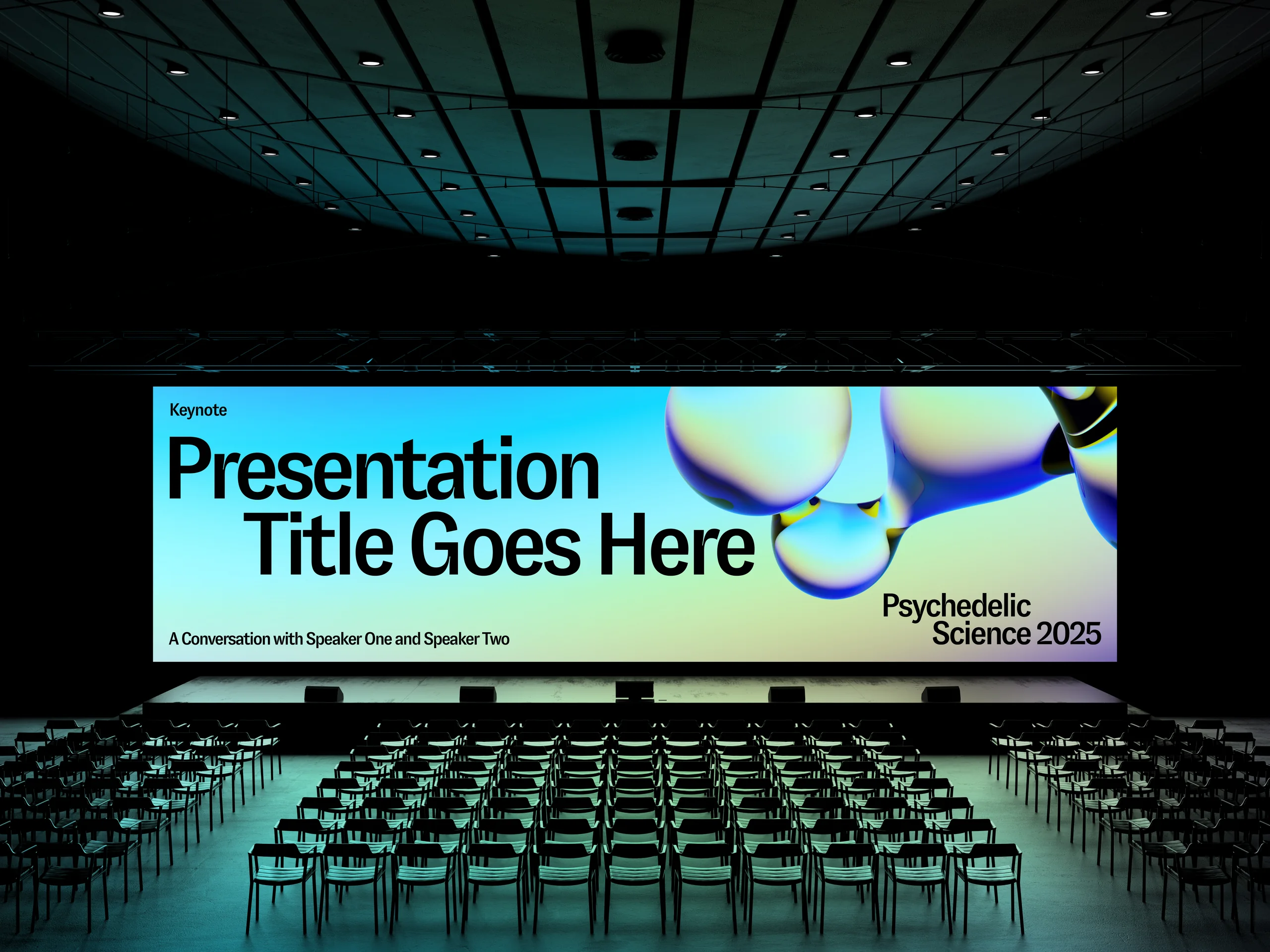
For Psychedelic Science in 2025, I built a Python workflow that turned thousands of speaker records into marketing assets.
I keep my standards for writing and layout as rule files the tools work from. They were measured from my own past work, so a first draft starts closer to how I’d do it. This site is built the same way, in code with AI tooling, and I check the result.
Working with agents
I’ve used agents across all of it. I set the task and the checks, an agent does the work, and I review what comes back.
Two of these projects also open their data to agents through an MCP server. The Hemworks one gives a model four tools over the geometry engine, and it can’t get past the release gate, because a blocked run returns no file. The cjc.house one answers questions about the cabin by query. It reports priced and unpriced items separately, so a total never reads as a budget.
This is the part that feels most like design work to me. An agent needs clear standards and a limit it can’t argue with.
Where the decisions stay
The tools draft and produce. What a brand stands for, and which prototype goes in front of a customer, stay with me and the client.
A model can be confidently wrong. Anything it writes about a project gets checked against the source before it ships.
The tools
For writing, research and code: Claude, Claude Code, ChatGPT, Codex, Gemini, Cursor, Lovable and Replit. For images: Midjourney, Photoshop and Topaz. For video: Runway, Sora, Veo and Kling. For sound: ElevenLabs and Suno. For design and 3D: Figma and Spline. For building and shipping: Python, Three.js, GitHub and Vercel.
The list changes every few months. What stays is the checking.
Before the current tools
Some of my earlier product work depended on software making a judgment. Apple Music’s Artist Connect read an album sleeve and tinted the interface to match, drawing on 50,000 covers. At Kodak, a photo loaded onto a product automatically, through image recognition and Facebook tags.
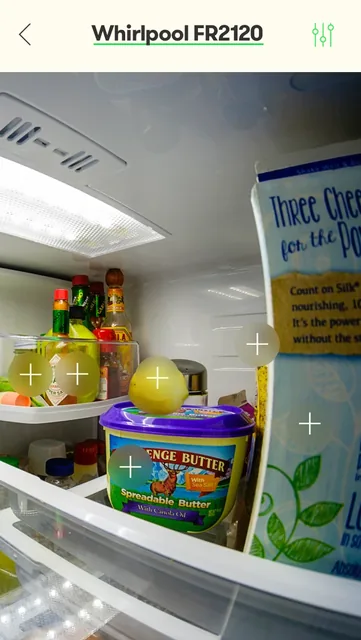
At Innit, the fridge camera could see what was inside. Nobody asked about the image recognition. They asked what to cook tonight, so the product led with recipes and kept the sensors underneath.
That’s still where I’d start an AI feature. Find out what the person is trying to do, and put the technology under it.