
An agent will do what you ask and sound sure about it. So the design question I keep coming back to is what it should be unable to do.
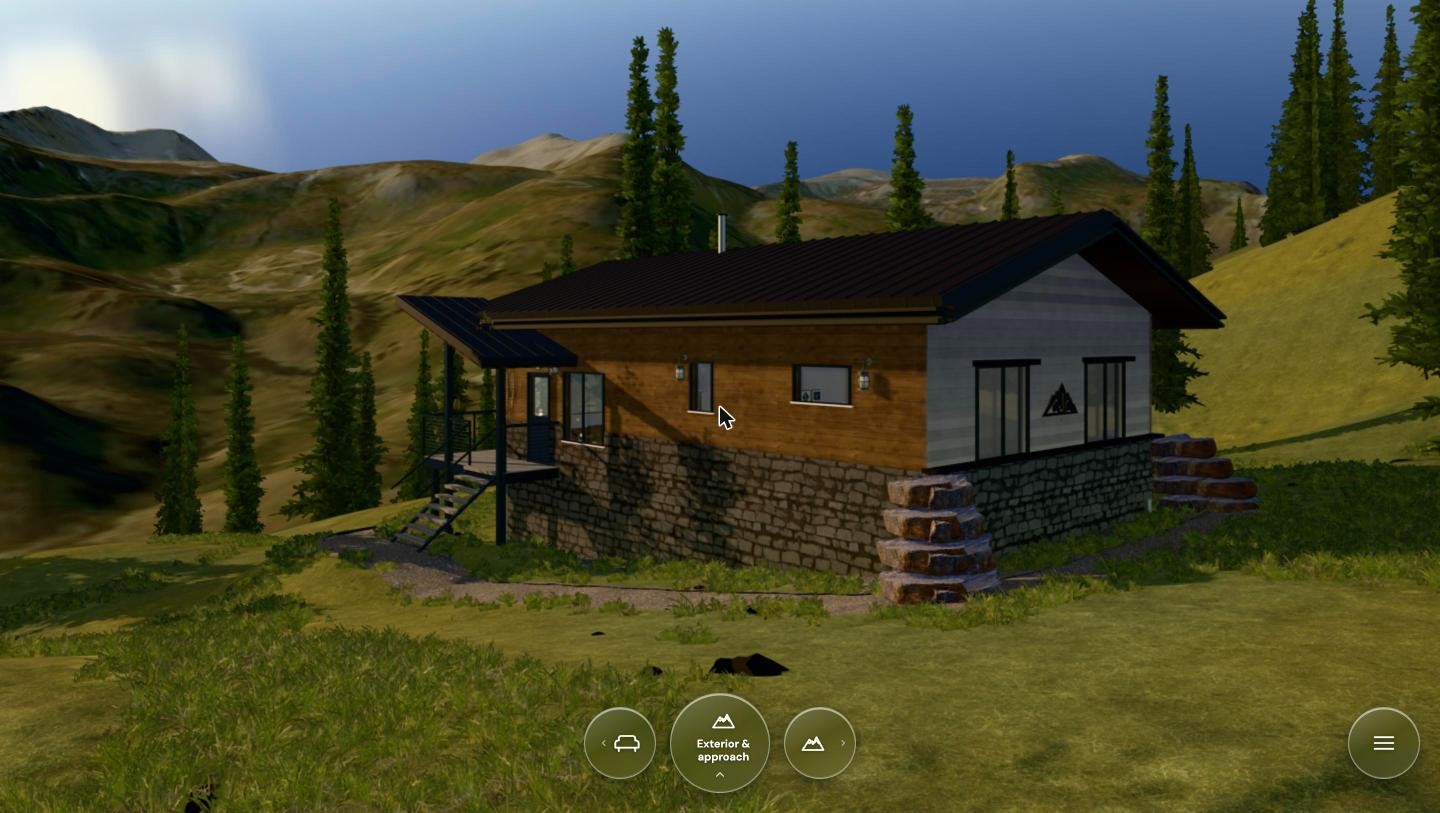
I’ve built two tools that put a language model in front of real data. One is for Hemworks, a car-cover product I’m developing. The other is for cjc.house, a 3D model of a ski cabin. Both connect through MCP, the protocol that lets a model call tools.
A release that doesn’t exist
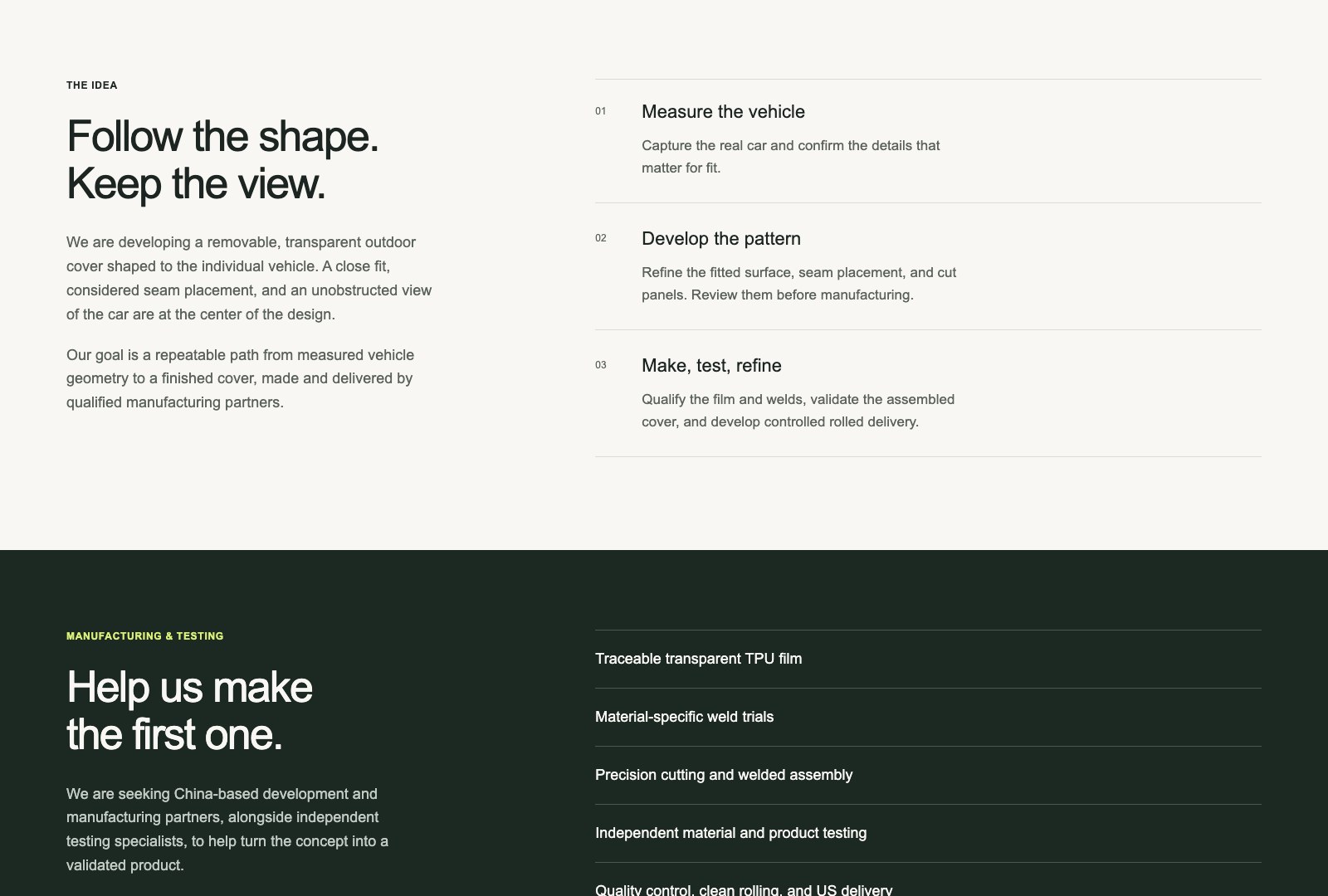
Hemworks turns a 3D vehicle mesh into flat panels and a cut file. A panel set that fails its geometric checks would be cut wrong out of real film, so a blocked run writes no file at all.
The model can explore the geometry, change the film width and the allowance, and look at why a run failed. It can’t produce a manufacturing release, because there is nothing to return.
Where a number came from
In the cabin’s register, every dimension records its basis: printed on the drawing, scaled off it, derived, or confirmed by the owner. A scaled dimension isn’t a surveyed one, and that difference decides whether you can order glass against it. The tool returns the basis with every opening.
An unknown price is never zero
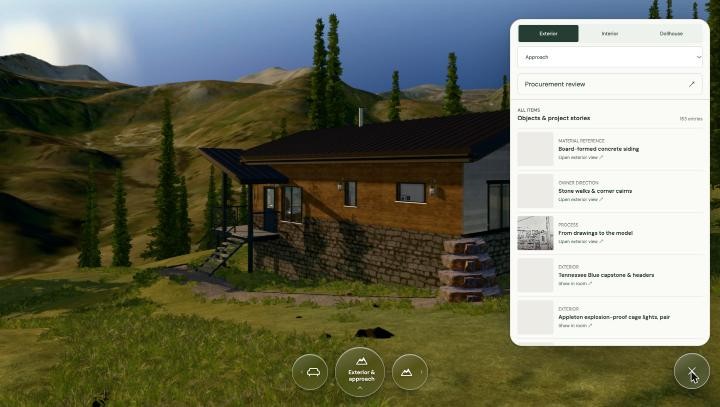
Some line items are confirmed, some are recommendations, and some have no price yet. Adding them up would invent a budget. The tool reports priced and unpriced items separately and attaches a warning when anything is missing.
What I take from it
These are interface decisions. The limit lives in what the tool returns, where the model can’t talk around it.
I’d design an AI feature for a client the same way. Decide what must never happen, then make it impossible to return.