
Brand archetypes are a small set of familiar characters, such as the Explorer or the Caregiver, used to give a brand a consistent personality. They help most as a working vocabulary for a team, and least as a label on a slide.
What are brand archetypes?
The idea comes from Carl Jung, who described recurring characters in the stories people tell. Branding borrowed twelve of them. Nike is usually read as the Hero and Patagonia as the Explorer.
The appeal is speed. People already know how a Rebel talks and what a Sage would never say, so a team can agree on a character faster than on a list of adjectives.
How do you choose one?
Start from the purpose and the customer, then look for the character that fits. Picking an archetype because it sounds exciting gives you a costume.
Test the choice in writing. Draft the same product description as two different characters and read both aloud. One will sound like the company. The other will sound like an ad.
When does an archetype stop helping?
When it flattens the brand into a type. The chart has twelve boxes, and most interesting brands sit across two of them.
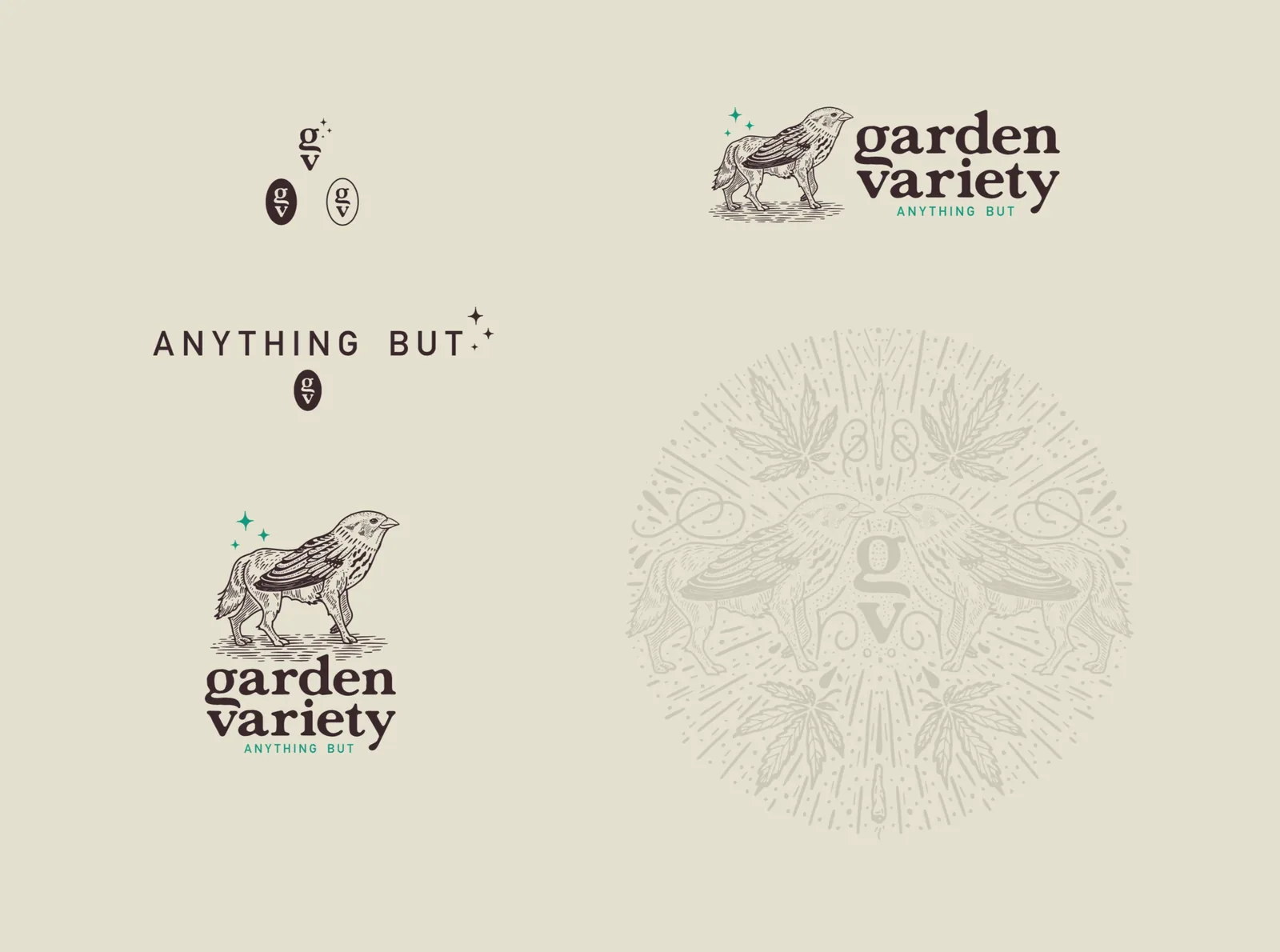
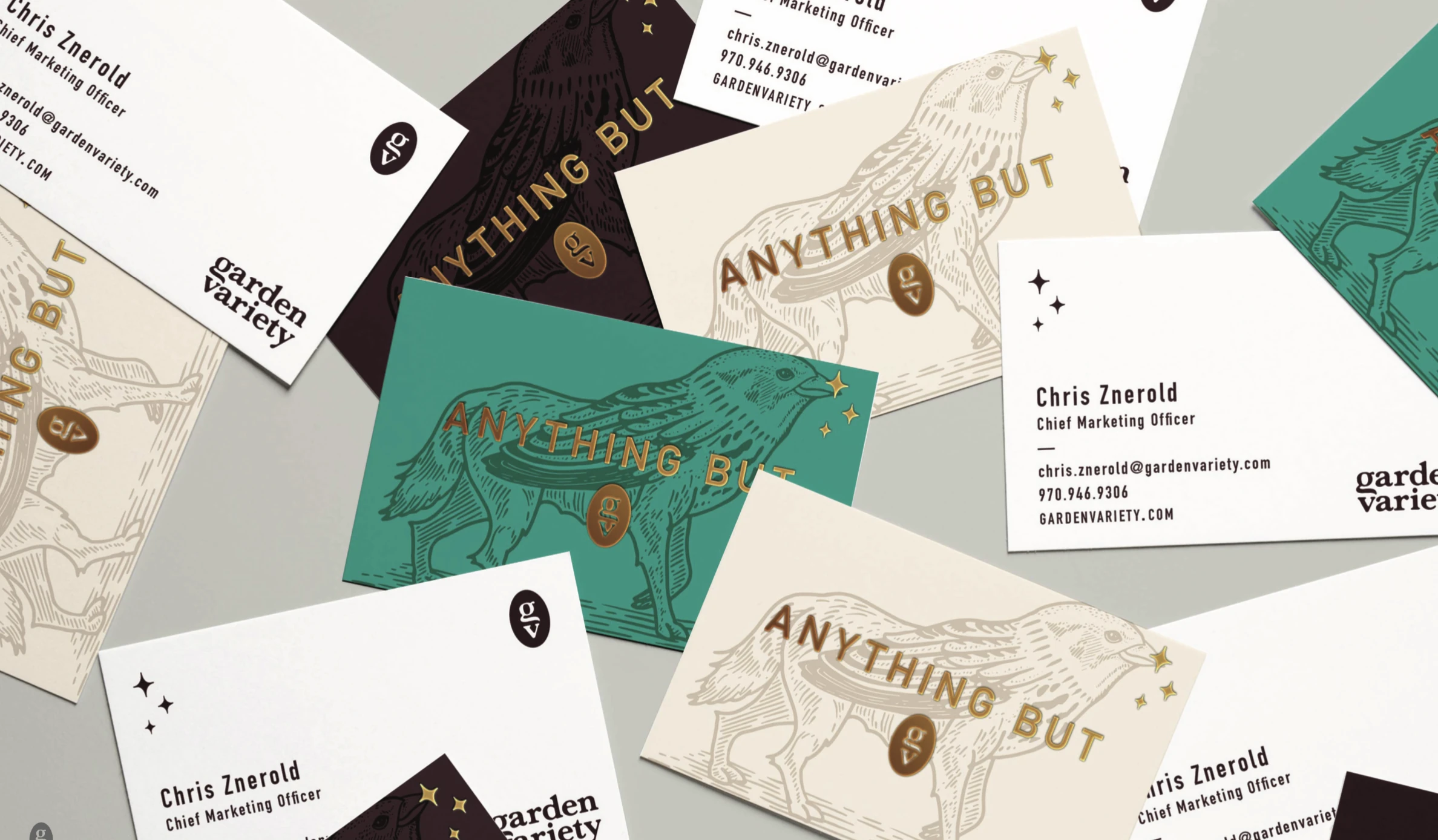
Garden Variety is the example I'd point to. The brand needed its own character, so the identity was built around the Sparwolf, a sparrow and wolf hybrid, with botanical illustration and lines such as 'Our grass is always greener.' An archetype can point you toward a character like that. It can't draw one.
What should a team walk away with?
A short description of the character, a few lines it would say, and a few it wouldn't. That's enough for a designer and a writer to make the same brand.
Short answers
How many brand archetypes are there?
Twelve in the common model, including the Hero, the Sage, the Explorer and the Caregiver. Some frameworks group them into four clusters by what motivates them.
Can a brand have more than one archetype?
Yes. Many brands lead with one and borrow from a second. Trouble starts when the two pull in opposite directions.